You are carrying medical bills and a mortgage in NC, and the math is getting harder every month. The bills came from something you did not plan for. The mortgage was manageable before. Now both are due at the same time, and something has to give.
You are not looking for sympathy. You are looking for a way forward. Maybe you have already been making calculations in your head. How many more months can you cover both? What happens if you fall behind on the house? Is there a way to use your home equity to solve this without losing everything?
This article is not going to ask you to share your story. It is not going to tell you what you should feel. It is going to lay out the financial options available to North Carolina homeowners in this exact situation. If any of this sounds familiar, keep reading.
You Are Not the Only Homeowner Facing This in North Carolina
Medical debt is the number one cause of personal bankruptcy filings in the United States. In North Carolina specifically, more than one in four adults carry some form of medical debt. That number climbs in rural counties outside the Triangle and Charlotte metro areas.
The reason this situation feels so isolating is that nobody talks about it. But across Wake County, Durham County, Mecklenburg County, and throughout the state, homeowners are quietly dealing with the same pressure. A health event. A hospital stay. An ongoing treatment. Then the bills start arriving, and each one makes the mortgage payment feel heavier. Homeowners in Raleigh, Charlotte, and Durham face this more often than most people realize.
This happens to people who work hard, who planned well, and who did everything they were supposed to do. Health events do not check your financial plan first. If you are in this position, the situation is not a reflection of your character. It is a math problem. And math problems have solutions.
How Medical Debt and Your Mortgage Interact in NC
Here is what makes this situation so difficult. Medical debt and mortgage debt do not stay in separate lanes. They compound each other.
When medical bills go unpaid, they can be sent to collections. Once in collections, they damage your credit score. A damaged credit score makes it harder to refinance your mortgage, qualify for a home equity line of credit, or access other financial tools that might help.
Meanwhile, every month you pull from savings to cover medical bills is a month you have less cushion for your mortgage. If you miss a mortgage payment, the clock starts on a process that is much harder to reverse. North Carolina is a power-of-sale foreclosure state. That means the lender does not need a court order to begin proceedings. The timeline from first missed payment to auction can move quickly.
The point is not to scare you. The point is to explain why acting now, while you still have options, puts you in a stronger position than waiting.
North Carolina law protects up to $35,000 of equity in your primary residence from creditors ($70,000 for married couples filing jointly). This is called the homestead exemption. It means that if a creditor wins a judgment against you, they cannot force the sale of your home to collect that first $35,000. However, this protection has limits, and it does not apply to your mortgage lender. Understanding this number helps you make informed decisions about your equity.
What Are Your Options When Medical Bills and a Mortgage Collide?
Negotiate the medical debt directly
Most hospitals and medical providers in North Carolina have financial assistance programs. Many will accept a reduced lump sum to settle a balance. Some will set up payment plans with no interest. This is always worth pursuing first, because it can reduce the total pressure without touching your home.
But if the debt is large enough, or spread across multiple providers, negotiation alone may not close the gap.
Refinance or take a home equity loan
If your credit is still in good shape and you have equity, you may be able to refinance your mortgage at a lower rate, or take out a home equity line of credit to pay off the medical debt. This consolidates your payments and can buy time.
The challenge is that this option disappears quickly if your credit score has already taken a hit from medical collections. And it adds more debt to your home, which means more interest over time.
Sell the house and access your equity
Your home is likely your largest asset. If the equity sitting in your house could resolve your medical debt, cover your remaining mortgage balance, and leave you with cash to start fresh, selling may be the most direct path forward.
This is not giving up. This is converting an illiquid asset into liquidity when you need it most. Equity in a house does not pay medical bills. Equity in your bank account does.
"Between the medical bills and the mortgage, something had to give. Selling to Cinch meant I could pay off the hospital and keep my credit intact." — Linda F., Raleigh
Why a Cash Sale Matters When Time Is a Factor
Listing your home with an agent is always an option. But when medical bills are accumulating interest and your mortgage payment is due on the first of every month, the traditional 60-to-90-day timeline creates its own cost.
Every month the house sits on the market, you are still paying the mortgage. You are still paying insurance, taxes, and utilities. And every month, the medical debt is either growing or you are pulling from shrinking reserves to keep it at bay.
A cash sale compresses that timeline. There is no lender approval. No appraisal contingency. No buyer who gets cold feet at the last minute. You accept an offer, pick a closing date, and receive your equity in full.
The trade-off is that a cash offer will typically be below full retail value. But when you subtract the agent commission (5-6% of the sale price), repair costs, staging, and months of holding costs from a traditional sale, the net difference narrows. For some homeowners, the cash sale actually nets more after all expenses.
| Factor | Traditional MLS Sale | Direct Cash Sale |
|---|---|---|
| Timeline to closing | 60-90 days | 10-21 days |
| Agent commission | 5-6% of sale price | $0 |
| Repairs/staging required | $5,000-$15,000 typical | $0 (sell as-is) |
| Months paying mortgage while selling | 2-3 months | 0-1 months |
| Privacy | Public listing, yard sign, open houses | Private transaction |
| Risk of deal falling through | Financing contingency, appraisal gaps | None (cash, no contingencies) |
And there is a factor that does not show up on a spreadsheet. The relief of having the situation resolved. The weight that lifts when you are no longer juggling two financial crises at the same time. That has real value.
How a Private Sale Protects You
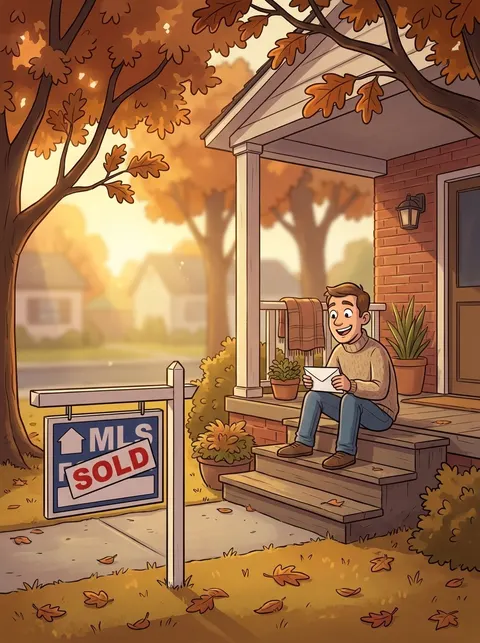
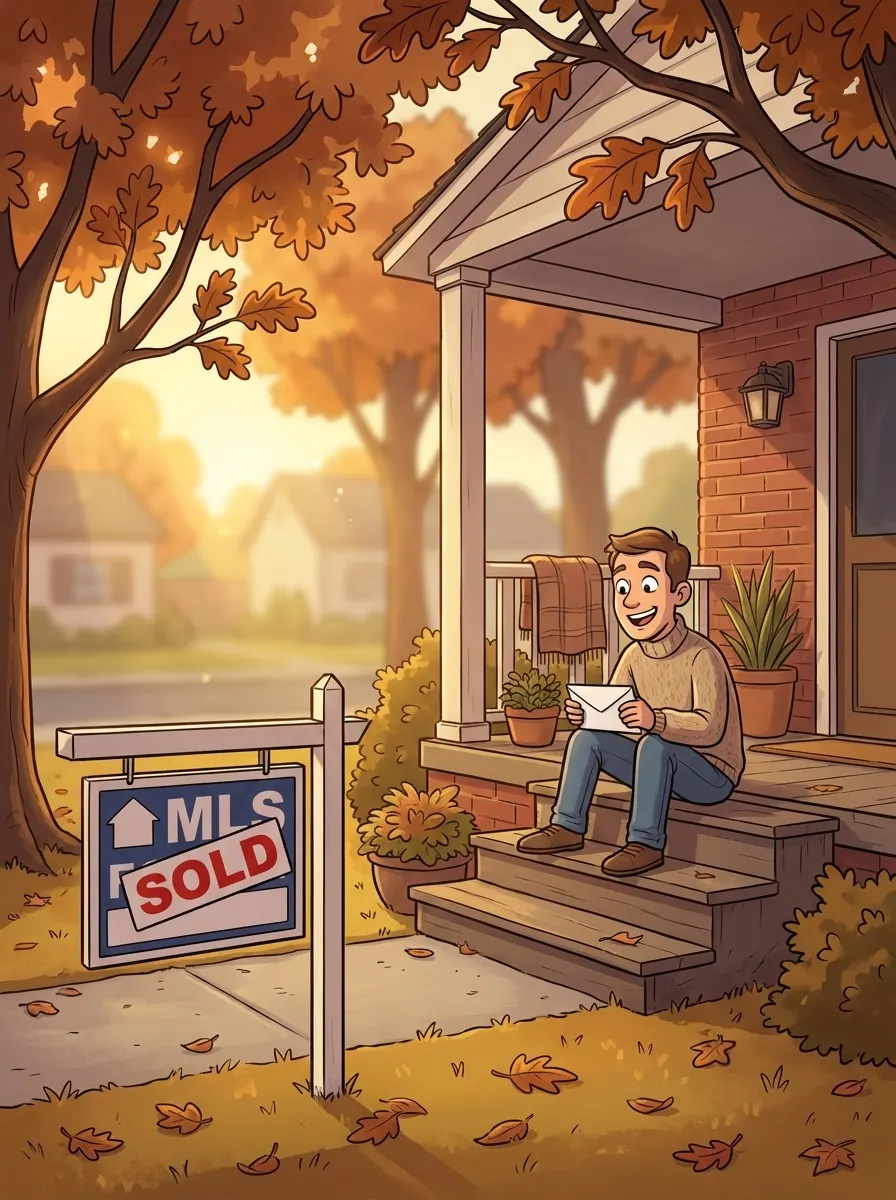
One of the reasons this situation feels so heavy is the privacy concern. A traditional listing puts your home on the MLS. There are signs in the yard. There are open houses. Neighbors see. Colleagues see. It feels public, and when you are already dealing with something personal, public is the last thing you want.
A direct cash sale is a private transaction between you and the buyer. There is no listing. No sign in the yard. No strangers walking through your house on a Saturday afternoon. No need to explain your situation to an agent, a stager, or a parade of potential buyers.
We do not ask why you are selling. Your reasons are your own. This is a straightforward transaction. You have a property. We make an offer. If the number works for you, we close. That is it.
Homeowners across Raleigh, Charlotte, Durham, and throughout North Carolina have used this process to move forward quietly and on their own terms. We have purchased over 200 homes across 13 NC markets, and in every one of those transactions, the seller's privacy was respected completely.
What Should You Do Next?
You do not need to make a decision right now. But you do need information to make a good decision later. The first step is finding out what your home is worth today, in its current condition, with no repairs or preparation needed.
Fill out our quick form. It takes about 60 seconds. We will send you a cash offer within 24 hours. No obligation. No pressure. No one will show up at your door or call you repeatedly.
Once you have a number, you can do the math yourself. Subtract your remaining mortgage balance. Look at your medical debt total. See what the difference is. That number tells you whether selling makes sense for your situation.
If it does not, you have lost nothing but 60 seconds. If it does, you have a path forward that puts equity in your hands quickly and lets you close on your timeline.
We buy houses across Wake, Johnston, Durham, and Mecklenburg counties. We can move as fast as you need. Whether that is next week or next month, the process works the same way. A straightforward transaction. Financial flexibility. No need to explain your situation to anyone.
Frequently Asked Questions
Not easily. North Carolina's homestead exemption protects up to $35,000 of equity in your primary residence ($70,000 for married couples). Medical creditors would need to win a judgment and the equity above the exemption amount would need to be significant enough to justify a forced sale. However, unpaid medical debt in collections will damage your credit score, making refinancing or other financial tools harder to access.
No. Selling your home and paying off the mortgage is not a negative credit event. In fact, if you use the proceeds to pay off medical collections, your credit score may improve. A voluntary sale is far better for your credit than a foreclosure, which stays on your report for seven years.
Yes, and you should try. Most NC hospitals have financial assistance programs, and many providers will accept a reduced lump sum to settle a balance. If negotiation brings the total low enough, you may not need to sell. But if the debt is spread across multiple providers or the total is too large, selling to access your equity may still be the most practical option.
A direct cash sale can close in as few as 10-14 days. There is no lender approval, no appraisal contingency, and no buyer financing that could delay or fall through. You choose the closing date and receive your equity at the closing table.
No. Selling your house is a voluntary financial decision, not a bankruptcy filing. In many cases, selling to pay off debt is an alternative to bankruptcy that preserves your credit and gives you more control over the outcome. You keep any equity above what you owe on the mortgage and medical bills.