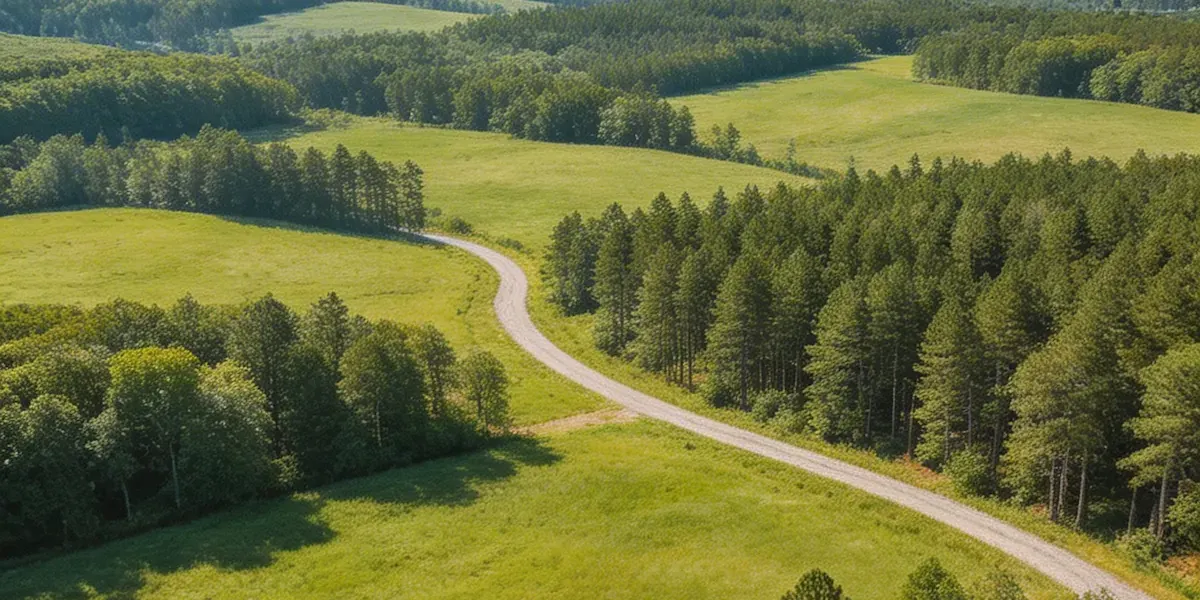
Orange County land comes with rules most North Carolina counties don't have: a Rural Buffer that caps density around Chapel Hill and Carrboro, conservation easements held by regional land trusts, and large-lot zoning that limits how parcels split. None of that stops you from selling. It changes who your buyer is — and it's why a cash buyer who already knows the rules can close in 7-14 days while a listed parcel sits waiting for the one retail buyer who doesn't flinch at the word "easement."
Can You Sell Land in the Rural Buffer? Yes — the Restrictions Transfer, the Ownership Doesn't
The Rural Buffer is the ring of land around Chapel Hill and Carrboro created by the Joint Planning Agreement that Orange County, Chapel Hill, and Carrboro adopted in 1987. Its purpose, per the agreement, is to keep that ring rural: very low-density residential use, no extension of public water and sewer, no annexation into the towns. Under the Orange County Unified Development Ordinance, the Rural Buffer zoning district carries a two-acre minimum lot size.
What that means for a seller is straightforward. You can sell Rural Buffer land to anyone, any time — the buffer restricts development, not transfer. What it shapes is the buyer pool: no developer is putting a subdivision with municipal sewer there, so your buyers are people who want an estate lot near Chapel Hill, small farmers, and investors who hold land on the edge of one of the most supply-constrained towns in the state. The same scarcity that frustrates developers is what keeps buffer land worth owning.
What a Conservation Easement Means When You Sell
A conservation easement is a recorded agreement — filed with the Orange County Register of Deeds in Hillsborough — that permanently limits development on a parcel. It runs with the land, meaning every future owner is bound by it; selling the parcel transfers the restriction along with the deed. Land trusts active in Orange County, such as the Triangle Land Conservancy, which manages the Brumley Forest preserve here, hold easements like these and monitor compliance.
An easement doesn't block your sale. It narrows what the buyer can do, which narrows who the buyer is, which is exactly the kind of parcel that dies on the open market and sells fine to a direct buyer who prices the restriction honestly. Disclose the easement up front — it's recorded, so any title search finds it anyway — and get the actual document, because terms vary parcel by parcel. We wrote a full breakdown in our guide to selling NC land with conservation easements and protected species issues.
Thinking of Subdividing First? Read This Before You Spend the Money
The instinct with large Orange County parcels is "split it into lots and sell them off." Sometimes that's right. Often it's a year of carrying costs spent learning why it isn't:
- Minimum lot sizes are set by your zoning district. In the Rural Buffer that's two acres per lot under the county UDO, and other rural districts carry their own minimums. The math on "how many lots" is zoning math, not acreage math.
- Every new lot needs water and sewer it won't get from a pipe. Outside town service areas that means wells and septic, and septic means a soil evaluation through Orange County Environmental Health. Soil that won't perc doesn't become a building lot no matter how the survey is drawn.
- Subdivision is an approval process, not a sketch. Surveys, road frontage or access easements for each lot, county review — all paid for and completed before you've sold anything.
Some sellers come out ahead doing that work. Plenty more net the same or better selling the parcel whole, as-is, to a buyer who takes on the subdivision risk himself — and they get their money this month instead of next year.
Why Cash Buyers Still Want Orange County Parcels
Every restriction above is also a supply cap. Chapel Hill and Carrboro can't sprawl into the buffer, which makes land near them permanently scarce; Hillsborough sits on I-85 and I-40 with its own steady growth; and UNC anchors demand for the whole county — the same squeeze that spills east into fast-growing Durham. Restricted land near a place people want to live is still land near a place people want to live.
That's not a theory we hope is true — it's our buy box: our buyer network includes 344 registered land buyers across North Carolina (Cinch CRM, June 10, 2026), and the Orange County requests skew exactly toward what this county has: large lots, wooded acreage, buffer-adjacent parcels, land with character and constraints. Our Orange County land page has the county-specific rundown.
How Selling Orange County Land for Cash Works
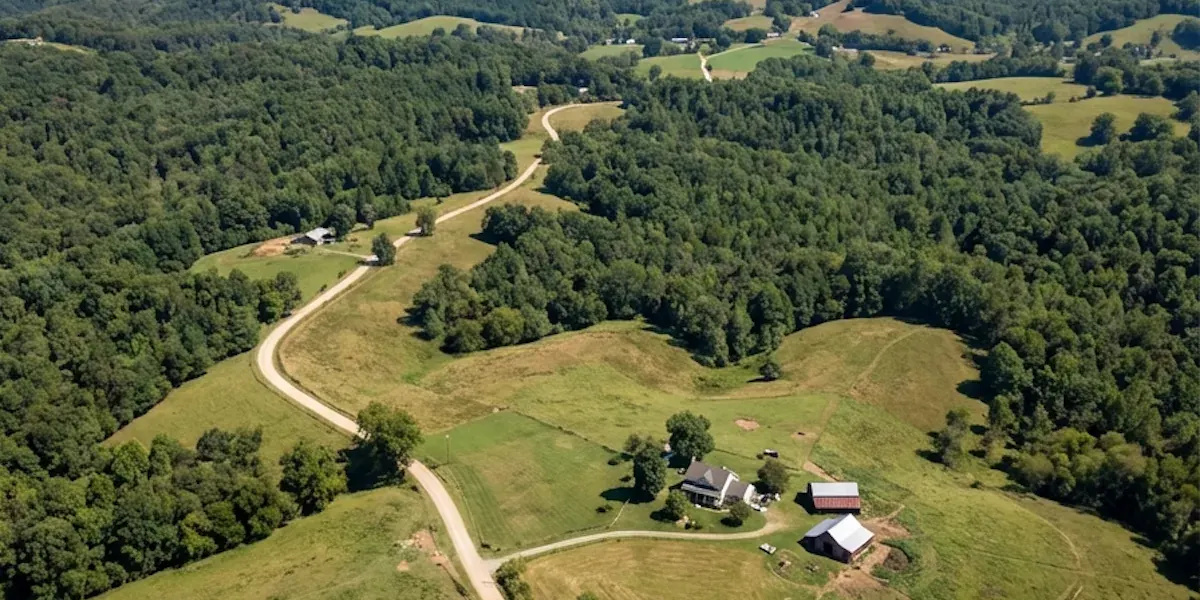
The process is the same whether the parcel is a half-acre in-town lot or forty acres off a gravel road north of Hillsborough, or a wooded tract south toward Pittsboro:
- Within 24 hours: You send the parcel location. We research the zoning district, check for recorded easements, and put a cash offer in writing.
- Title work: A North Carolina closing attorney runs the title search through the Orange County Register of Deeds and confirms exactly what restrictions ride with the deed.
- Closing in 7-14 days: You sign, the deed records in Hillsborough, and your proceeds wire from the attorney's trust account. $0 fees, no commission, and the offer doesn't get renegotiated at the table.
Cinch has bought 250+ properties across North Carolina with a 4.9 rating on Google, and the statewide version of this process — every parcel type, every county — is in our guide to selling North Carolina land fast. If your land has a restriction you assume kills the deal, send it anyway. Pricing restricted parcels is the part of this business we're built for.
Frequently Asked Questions
Can I sell land inside the Chapel Hill and Carrboro Rural Buffer?
Yes. The Rural Buffer, created by the 1987 Joint Planning Agreement among Orange County, Chapel Hill, and Carrboro, restricts development — low-density use, no public water and sewer extension — but it does not restrict selling. The zoning transfers to the buyer with the deed, and the buyer pool is estate-lot buyers, small farmers, and long-hold investors rather than subdivision developers.
Does a conservation easement stop me from selling my land?
No. A conservation easement is recorded with the Orange County Register of Deeds and runs with the land, so it binds whoever owns the parcel next — but the parcel itself can be sold freely. The easement narrows what a buyer can build, which mostly means your realistic buyer is someone who values the land as it is.
Can I subdivide my Orange County parcel before selling it?
Sometimes, but check three things before spending money: your zoning district’s minimum lot size (two acres in the Rural Buffer, per the Orange County Unified Development Ordinance), whether the soil passes a septic evaluation through Orange County Environmental Health, and whether each proposed lot has legal road access. Many sellers net more selling the parcel whole to a buyer who takes the subdivision risk.
Who buys land with building restrictions on it?
Buyers who want the land for what it already is: estate-lot buyers near Chapel Hill, farmers, hunters, and investors holding acreage in a supply-constrained county. Cinch maintains a registered land buyer network across North Carolina specifically so restricted parcels have a market that the MLS rarely reaches.
How fast can an Orange County land sale close?
With clean title, 7-14 days from accepted offer to recorded deed. The closing runs through a North Carolina closing attorney, the deed records in Hillsborough, and Cinch charges $0 in fees. Easements and buffer zoning do not slow the closing — they are already recorded, so the title search simply confirms them.