Foreclosure listing sites will sell you an address list. What they won't explain is the machine behind it — why a Wake County foreclosure runs through the Clerk of Court instead of a judge, why the auction on the courthouse steps isn't actually the end of the sale, and why the 10-day upset bid period changes the strategy for everyone involved: investors, bargain hunters, and — most importantly — the family that still lives in the house.
I buy and renovate houses across Wake County, including homes bought directly from owners in pre-foreclosure, so this is the process explained by someone who works inside it — not a listing aggregator.
Skip everything below and go here: how to stop foreclosure in North Carolina — or call (919) 751-6768 now. Days matter; the earlier in this process you act, the more options you have.
Wake County Foreclosures by the Numbers
Our NC Distressed Property Index tracks 16,180 distressed properties across 23 North Carolina counties — pre-foreclosures, tax delinquencies, and related distress signals — updated monthly and licensed CC-BY so anyone can cite it. The Wake County section shows the current local count and trendline; it's the only public county-level distress dataset published by an NC buyer rather than scraped from courthouse feeds.
Context that shapes what actually forecloses here: Wake County's median home was built in 1999, and only 18.7% of the housing stock predates 1980. Wake foreclosures are disproportionately newer suburban homes with payment problems — not the crumbling-house stereotype. That matters if you're bidding: the discount is in the debt, not usually the condition.
How a Wake County Mortgage Foreclosure Works, Step by Step
North Carolina is a power-of-sale state: most foreclosures never see a judge. Here's the real sequence.
1. Default and the federal waiting period
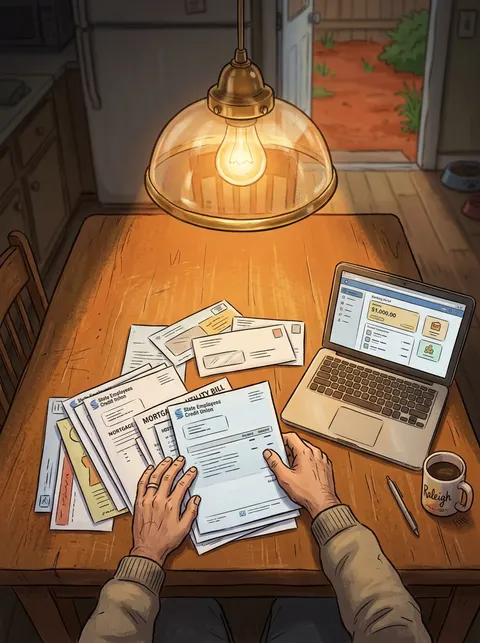
For most home mortgages, federal servicing rules bar the servicer from even starting foreclosure until the borrower is more than 120 days delinquent. That's the quiet phase — and the phase where an owner has the most leverage to sell, catch up, or work out the loan.
2. The hearing before the Clerk of Superior Court
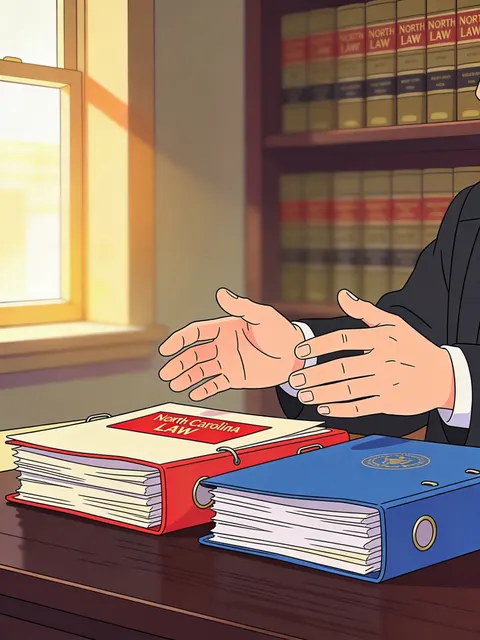
The trustee files a notice of hearing, and the case goes before the Wake County Clerk of Superior Court — not a jury, not a trial. The clerk checks a short list: valid debt, default, right to foreclose under the deed of trust, proper notice. If the boxes check, the clerk authorizes the sale. Owners get notice of this hearing; it is not the moment the house is lost, but it starts a fast clock.
3. The auction on the courthouse steps
The trustee advertises and holds a public auction at the Wake County Courthouse in downtown Raleigh. High bidder puts down a deposit. Here's what first-timers miss: winning the auction doesn't mean you bought the house.
4. The 10-day upset bid period — the most NC thing in NC real estate
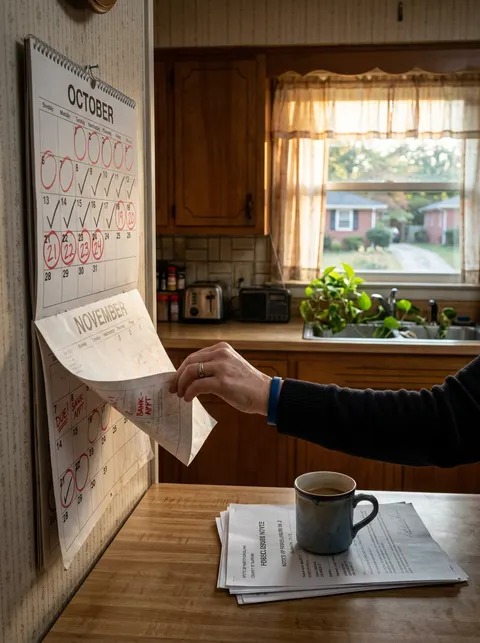
After the auction, the sale sits open for 10 days, during which anyone can file an upset bid with the clerk — a higher bid (raised by the statutory minimum increment) that reopens the sale and starts a fresh 10-day clock. Upset bids can chain for weeks; competitive Wake County sales regularly get upset multiple times. Consequences:
- For bidders: never celebrate on auction day, and never bid your maximum at the courthouse — the real price discovery happens in the upset period.
- For owners: the upset window is extra time on the clock. Until a 10-day period expires with no new bid, the sale isn't final — and an owner-negotiated payoff or sale can still change the outcome. This is the last-chance window we describe in the stop-foreclosure guide.
5. Confirmation, deed, and possession
When 10 days finally pass without a new bid, the sale is final, the trustee deeds the property, and the new owner deals with possession. If the former owner or a tenant is still there, the new owner uses the court process — see our Wake County eviction process guide — not the locks.
Wake County Tax Foreclosures Are a Different Animal
The county forecloses too — for unpaid property taxes, not a mortgage. Those cases are judicial, running through the court system rather than a trustee's power of sale, and the opening bid is set by the tax debt, interest, and costs rather than a loan balance. For the full process — redemption rights, payment plans, and how to sell before the sale is final — see our guide to Wake County tax foreclosures.
Buying a Wake County Foreclosure: Honest Notes From a Local Buyer
- You're buying the debt's problems. Auction sales carry no seller disclosure and often no interior access. Budget blind.
- Cash and speed win. Deposits are due immediately and financing an upset-bid purchase is miserable.
- The retail-adjacent deals aren't at the courthouse. By the time a house hits auction, the margin is priced in by professionals. Most of our own purchases happen before auction — directly from owners who'd rather sell with equity than lose it on the steps. That's better for us and radically better for them.
If It's Your House: The Part the Listing Sites Won't Tell You
Every stage before the final upset-bid expiration is a stage where you still have moves: reinstatement, loan modification, or a sale. We've bought Wake County homes from owners deep in this process — a 7-14 day cash close can beat a trustee's timeline, pay off the loan and any liens through the closing attorney, and put the remaining equity in your pocket instead of losing it. Elsewhere in NC we bought a home in Archdale for $114,000 days before the owner's lockout — the seller walked away with their equity instead of an eviction on their record. That's the difference between selling in the window and losing the house at auction.
No pressure, no judgment — start at sell my house fast Raleigh NC or call (919) 751-6768.
Wake County Foreclosure FAQ
Most are power-of-sale foreclosures: after 120+ days of delinquency, a hearing before the Wake County Clerk of Superior Court authorizes a trustee's auction at the courthouse, followed by a 10-day upset bid period that must expire before the sale is final.
A higher bid filed with the Clerk of Court within 10 days of the auction (or of the last upset bid). Each upset bid restarts the 10-day window, so sales stay open until a full 10 days pass with no new bid.
Trustee auctions are conducted at the Wake County Courthouse in downtown Raleigh, with upset bids filed with the Clerk of Superior Court afterward.
Until the upset bid period expires and the sale is confirmed, the process isn't final — payoffs and negotiated outcomes can still happen in that window. The earlier you act, the more options exist; see our NC stop-foreclosure guide.
Our NC Distressed Property Index publishes county-level counts across 23 NC counties, including Wake — free and CC-BY citable.