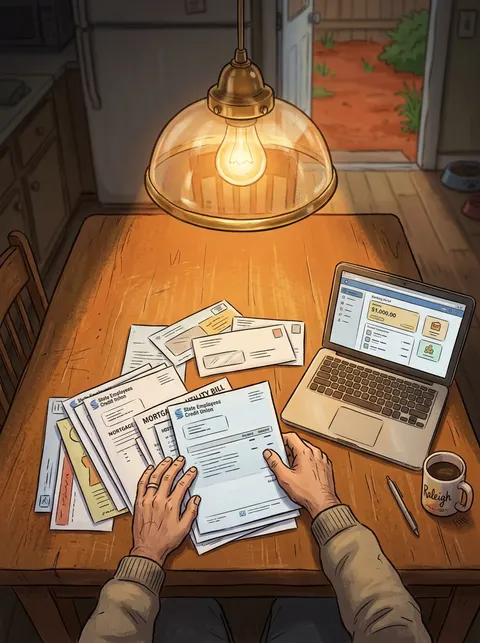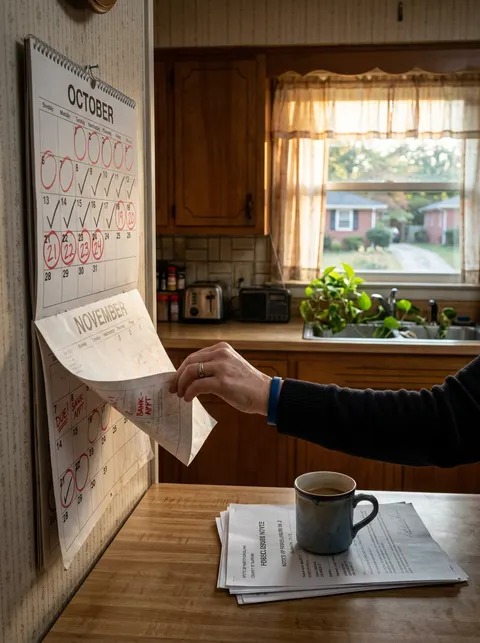

If you've missed mortgage payments on a Charlotte house, the math is simple and unforgiving: a typical North Carolina foreclosure runs approximately 120 days from the first missed payment to the foreclosure sale, according to Duncan Law, a Charlotte bankruptcy firm. That's about four months — and a chunk of it is already gone by the time most homeowners start looking for answers.
Here's the part nobody tells you: foreclosure in North Carolina is stoppable at almost every stage, including after the auction itself. I buy houses across Mecklenburg County, and I've closed with sellers who had a sale date on the calendar. This guide walks through exactly how the Charlotte process works — the clerk's hearing, the upset bid period, the deadlines that matter — and the four ways out.
The 4 Ways to Stop a Foreclosure in Charlotte
There are four realistic ways to stop a Charlotte foreclosure: reinstate or modify the loan, sell the house before the sale is final, negotiate a short sale, or file bankruptcy to trigger the automatic stay. Which one fits depends on two things — how much equity you have, and how many days are left on the clock.
- Reinstate or modify the loan — best if the hardship was temporary and you can catch up or restructure the payments.
- Sell before the auction (or during the upset bid period) — best if you have equity. You pay off the loan at closing and walk away with the difference instead of losing it at auction.
- Short sale — the fallback when you owe more than the house is worth and the lender agrees to take less.
- Bankruptcy — the emergency brake. The automatic stay pauses the foreclosure, but it's a serious legal step that needs an attorney.
Everything below explains the timeline these options have to fit inside — because in North Carolina, that timeline is shorter than most people expect.
Why North Carolina Foreclosures Move Faster Than Most States
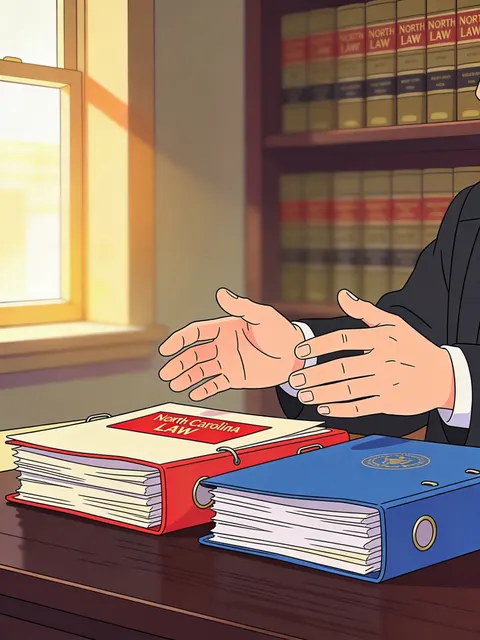
North Carolina uses a non-judicial "power of sale" foreclosure, which means your lender doesn't have to sue you in court to take the house. Instead, the trustee named in your deed of trust files a notice of hearing with the Clerk of Superior Court, and a hearing is held before the clerk — not a judge, not a jury. That's the entire court process, per the NC court system (nccourts.gov).
In judicial-foreclosure states, a lender's lawsuit can grind through the courts for a year or more. In North Carolina, the clerk's hearing can be scheduled as soon as the notice requirements are met: the notice of hearing must be served on you at least 10 days before the hearing if you're served personally, or at least 20 days if it's served by posting on the property. That's it. Once the clerk authorizes the sale, the auction follows on the lender's schedule.
The practical takeaway for Charlotte homeowners: don't calibrate your urgency to what you've heard about foreclosures in other states. Here, the window between "first letter from the trustee" and "auction on the courthouse steps" is measured in weeks, not years.
The Mecklenburg County Foreclosure Timeline, Step by Step
Every power-of-sale foreclosure in Charlotte follows the same sequence through the Mecklenburg County Clerk of Superior Court. Here's the whole arc, from first missed payment to a final sale:
| Stage | What Happens | Your Window |
|---|---|---|
| Default | You miss payments; the servicer sends late notices and demand letters | Widest set of options — reinstate, modify, or sell on your schedule |
| Notice of Hearing filed | The trustee files with the Mecklenburg County Clerk of Superior Court | Hearing is at least 10 days out (personal service) or 20 days (posting) |
| Clerk's hearing | The clerk reviews the file and, if the boxes check, authorizes the sale | You can attend, raise defenses, and you still own the home |
| Foreclosure sale | Public auction, typically at the county courthouse | You can still sell or reinstate right up to the sale |
| 10-day upset bid period | Sale stays open for higher bids under N.C.G.S. § 45-21.27; each bid restarts the 10 days | The sale is NOT final — a payoff or sale can still happen |
| Confirmation & deed | No new bid for 10 days → the sale is final and the deed transfers | Options exhausted; any surplus funds flow through the court |
Per Duncan Law's published timeline, the full arc typically runs about 120 days from the first missed payment to the sale. But the stages aren't evenly spaced — the back half moves fast. Once the notice of hearing is filed, you should treat every week as critical.
What Actually Happens at the Clerk's Hearing
The clerk's hearing is short and narrow. The Clerk of Superior Court isn't deciding whether foreclosure is fair, or whether you tried hard enough to catch up. Under North Carolina's power-of-sale statute, the clerk checks four things: that a valid debt exists, that you're in default, that the deed of trust gives the holder the right to foreclose, and that proper notice was given to everyone entitled to it.
If all four check out, the clerk authorizes the sale. You have the right to attend — Mecklenburg County foreclosure hearings are held at the county courthouse at 832 East 4th Street in Uptown Charlotte — and you should. It's your chance to spot errors in the file, confirm the actual sale timeline, and get accurate information instead of rumors.
What the hearing is not: a negotiation. The clerk can't approve a loan modification or order your lender to work with you. Those conversations happen with your servicer directly, and they need to happen before this date, not after.
Option 1: Reinstate the Loan, Get a Modification, or Request Forbearance
If your hardship was temporary — a job gap, a medical event — the cleanest fix is bringing the loan current. Call your servicer and ask for a written reinstatement quote: the exact amount of missed payments, late fees, and legal costs required to stop the process. Pay it, and the foreclosure file closes.
If you can't write that check, ask about loss mitigation: a loan modification (restructuring the loan so missed payments fold into a new schedule) or a forbearance (a temporary pause or reduction). Servicers have these programs; whether you qualify depends on your loan type and your documented income.
Two rules here. First, get everything in writing — a verbal "we're reviewing your file" does not stop a sale date. Second, get free expert help: the North Carolina Housing Finance Agency (nchfa.com) connects homeowners with free, HUD-approved foreclosure-prevention counseling. It costs nothing, and a counselor can tell you quickly whether a modification is realistic for your situation.
Option 2: Sell the House Before the Auction
If you have equity in the house, selling before the sale is final is usually the strongest move. You — not the auction — set the price. The closing attorney pays off the mortgage, the late fees, and the trustee's costs directly from the proceeds, the foreclosure is dismissed, and every remaining dollar of equity goes to you instead of being ground down on the courthouse steps.
The challenge is the clock. A traditional listing in Charlotte took 68 days just to go under contract as of February 2026, per Canopy MLS — and a financed buyer's closing adds weeks more. That math doesn't fit inside a foreclosure timeline that's already running. A cash sale does: at Cinch, we make offers within 24 hours and close in 7–14 days, or on the date you pick. We've bought 250+ homes across North Carolina, hold a 4.9 rating on Google, and charge sellers no fees — if you need to sell your house fast in Charlotte, this is exactly the situation that process was built for.
Don't take one offer and hope — get two or three and compare. We published an honest rundown of the best cash home buyers in Charlotte, including our competitors, and a plain-math explanation of how much cash buyers actually pay in Charlotte so you can sanity-check any number you're quoted.
And remember the upset bid rule: even if the auction already happened, N.C.G.S. § 45-21.27 keeps the sale open for 10 days — and each new upset bid restarts a fresh 10-day period. Sellers have used that window to complete a payoff after the gavel fell. It's the last exit on the highway, but it's a real one. For the statewide picture beyond Charlotte, see our guide to selling a house in foreclosure anywhere in NC.
One more practical note: pre-foreclosure sales are almost always as-is sales — nobody renovates a house with a trustee's notice on the door. That's normal, and it's priced in. Our guide to selling a house as-is in Charlotte breaks down exactly what buyers deduct and why.
"Anne helped me out when she reached out about my house in High Point. it was a blessing that she bought my home for cash. She bought it quickly and with no hassle. I had a bunch of repairs that I needed to make to avoid foreclosure. They really helped me out." — Lisa M, High Point, NC (Google review)
Option 3: Short Sale — When You Owe More Than It's Worth
If your payoff balance is higher than what the house would sell for, a regular sale can't clear the debt — but a short sale might. Your lender agrees to accept less than the full balance, releases the lien, and the foreclosure stops. Lenders consider it because a short sale often nets them more than an auction would.
The catch is process: short sales require the lender's written approval, a documented hardship package, and patience — approval timelines are measured in weeks to months, so this option works best when you start early, not when the sale date is days away. Ask whether the lender will waive any remaining deficiency in writing, and loop in a housing counselor or attorney before you sign. With Charlotte prices up 2.3% year over year as of February 2026 (Canopy MLS median: $420,000), fewer Charlotte homeowners are underwater than you might fear — check your actual payoff against a real offer before assuming you need this route.
Option 4: Bankruptcy and the Automatic Stay
Filing bankruptcy triggers an automatic stay that immediately pauses the foreclosure — including a scheduled sale. For some homeowners, a Chapter 13 plan becomes a structured way to catch up on arrears while keeping the house. But bankruptcy reshapes your entire financial life, and the stay is a pause, not a cure. This is a one-paragraph mention on purpose: if you're considering it, talk to a licensed North Carolina bankruptcy attorney this week, not after the sale date.
Your 6-Step Game Plan
If you only remember one section of this guide, make it this one. In order:
- Find your hearing date and sale date. Read the Notice of Hearing filed with the Mecklenburg County Clerk of Superior Court. It tells you exactly where you are on the timeline and how many days you have left.
- Call your mortgage servicer. Ask about reinstatement, forbearance, or a loan modification. Get the exact reinstatement quote in writing so you know the real number required to stop the process.
- Book free foreclosure counseling. Schedule a free session with a HUD-approved housing counselor through the North Carolina Housing Finance Agency before you sign anything.
- Get cash offers and sell before the auction. If keeping the house isn't realistic, get 2-3 cash offers immediately. A pre-foreclosure sale pays off the loan at closing and keeps a completed foreclosure off your record.
- Use the 10-day upset bid period. If the auction already happened, the sale isn't final. Under N.C.G.S. § 45-21.27, each sale stays open for 10 days of upset bids — and each new bid restarts the clock, leaving a window to act.
- Talk to a bankruptcy attorney as a last resort. Filing bankruptcy triggers an automatic stay that pauses the foreclosure. It's a serious legal step — get advice from a licensed North Carolina bankruptcy attorney first.
Foreclosure vs. Selling: What Each Does to Your Future
A completed foreclosure follows you. It sits on your credit report for years, drags your score down hard, and triggers waiting periods before most mortgage lenders will approve you for another home loan. Landlords and some employers run credit too. And if the auction price doesn't cover the debt, you can be left chasing surplus funds through the court — or worse, facing a shortfall.
A sale before the auction ends differently: the loan shows as paid, there's no foreclosure entry, and your equity arrives as a check at closing instead of evaporating. Late payments still sting your credit — there's no undoing those — but you stop the damage at "fell behind and resolved it" instead of "lost the house." If you're weighing whether to sell now or try to ride it out, our breakdown of the Charlotte housing market in 2026 covers what waiting actually costs in this market.
How Fast a Cash Sale Can Close in Charlotte — and Free Help Either Way
A Charlotte cash sale can realistically close in 7–14 days: there's no lender, no appraisal, and no financing contingency, so the timeline is set by the title search and the closing attorney — North Carolina requires an attorney to close, which protects you. At Cinch, you get a written offer within 24 hours of a walkthrough, you pick the closing date, and you pay zero fees or commissions. The closing attorney pays the trustee and your lender directly, and the foreclosure file closes with the loan.
And whatever you decide — modify, sell, or fight — use the free help: the North Carolina Housing Finance Agency (nchfa.com) offers no-cost foreclosure-prevention counseling with HUD-approved counselors. Talking to them costs you nothing but an hour, and it's the fastest way to pressure-test whichever plan you're leaning toward.